
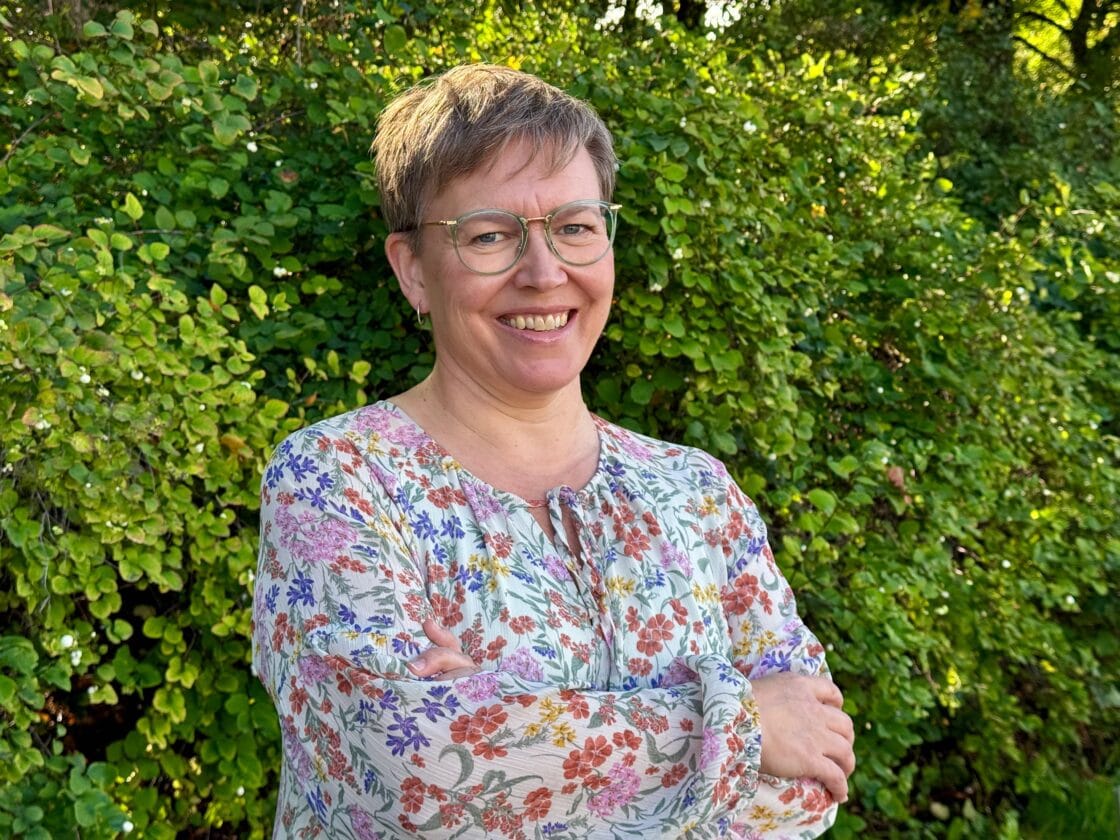
“We can only win if we win steel!” These were the words of SKF’s Daniel Bosson at Just Shift’s Sustainable Steel Scoreboard webinar in June. That’s exactly how I see it, too. Companies that use a lot of steel can win on sustainability and succeed only if they get carbon out of their steel supply chains. And that work should have started yesterday!
Before the summer holidays, I worked hard on the fourth edition of the Sustainable Steel Scoreboard. For the first time, the report included steel-buying companies from other Nordic countries besides Finland. This widened the scope of the work considerably. Finding suitable companies required extensive market analysis: The list initially included a total of 36 steel buyers and 28 steel producers. After narrowing it down and examining these from many angles (for example, their size, climate action, and supplier cooperation), I selected the 15 companies that made it under my microscope. Not an easy job, I have to admit!
Car crash and very poor accountability
Selecting the companies wasn’t even close to the only challenge along the way: I slipped and broke my wrist while walking the dog in March, and just two days before the report’s publication in June, a car hit me while I was cycling home from work. That crash didn’t spare me from fractures either.
Despite the setbacks, what bothers me more is how passive some of the companies I analysed are, and how disgracefully opaque and sparse their reporting is. Before publishing the report, I talked with the companies’ sustainability and steel procurement people to hear their feedback on the analysis and their thoughts on decarbonising steel supply chains in general — though five of the new companies responded with either radio silence or were unwilling to meet. It’s frustrating that I put in a great deal of work analysing companies’ reporting so that I can give them well-founded, useful recommendations, and they don’t bother even hearing the results.
Those companies that did engage with me were flattered by the attention, interested in the analysis, and grateful for the tailored recommendations I gave them. I received a lot of feedback from these companies, and the analysis sparked excellent discussion with them — even some fairly confidential exchanges of ideas — which I greatly value.
Demand for low-emission steel could triple with available methods
This year, I added a new section to the analysis. In it, I summed up best practices across all 15 companies. The idea behind this “Best Practices” analysis was to look at what results the selected companies could achieve together if they adopted each other’s best practices.
The result was a pleasant surprise: the score for the steel supply chain could reach 83%, compared to an average of just 23% among the compared companies. This could be reached using just their current methods! This means that demand for low-emission steel could triple using methods already in use today. When this analysis is combined with the Lead the Charge network’s equivalent analysis of electric vehicle manufacturers, adopting existing best practices could push the figure to over ninety per cent.
Going forward with more manpower
Despite the setbacks, I got the report across the finish line, and in June its publication was celebrated with the first Sustainable Steel Scoreboard webinar. In addition to SKF, which earned the report’s top score, we had speakers at the event from green steel startup Stegra and from Outokumpu. By the way, all the speeches are available on our YouTube channel.
Preparation for next year’s report is already in full swing: This autumn, our team got a new member. Steve Baynes, our new project coordinator, is currently developing the analysis methodology, so stay tuned to see what’s coming next year!
Over the summer, I’ve recovered from my mishaps and had a chance to gain some distance from spring’s work marathon. I find my thoughts returning to how seriously SKF, which earned the top score, is taking steel in its climate work — and how positively the company takes our pushing them to keep at it. I hope that in the next round, the companies we weren’t able to make contact with will also feel encouraged to join the dialogue with Just Shift. Every company that has entered into discussion with me has found it valuable for their sustainability work.
This blog post was written by Ninni Kähkönen, Just Shift’s Steel Campaign Lead and author of the Sustainable Steel Scoreboard report.